
JUNE 8, 2015-- Just ten short years ago, the Channel Islands off the coast of California almost lost forever one of its most unique populations of animal. The Channel Island fox population dwindled to 15 individuals on two islands before it was placed on the endangered species list in 2004.
Urocyon Littoralis, the fox's latin name, is split into six subspecies, one for each of the six islands it inhabits. Much like Darwin's sparrows of the Gallapagos, each subspecies has its own adaptations suited for the specific island it lives on.
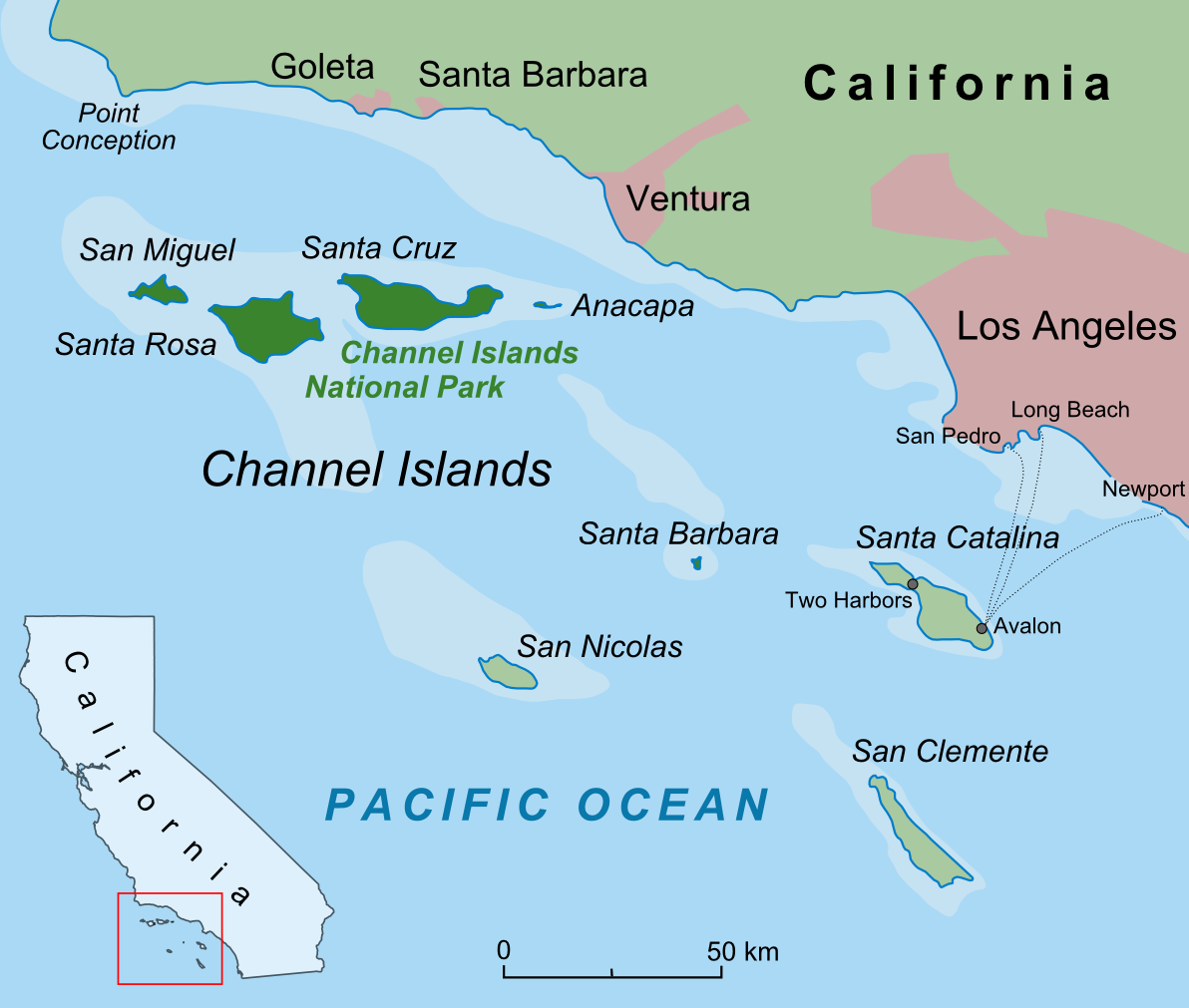
Unfortunately though, the island fox is not adapted to the new challenges it has faced since the introduction of humans and livestock to the Channel Islands.
In its natural state, these foxes are omnivorous and eat anything from mice and insects to cacti and roses. They face no predators from the air, and they are incredibly quick and camouflaged from predators on the ground. The only other organism naturally above the island fox on the food chain is the bald eagle that normally eats fish, not foxes.
Its two main threats, that all but wiped out its population, both stem from human intervention. Once sheep and pigs were introduced to the islands, much of the natural brush and flora was replaced with open grassland that leaves the native fox exposed. Furthermore, natural populations of bald eagles were being considerably effected by the use of DDT. Mainland-native golden eagles took over as the keystone predator on the island, and their favorite meal was the defenseless island fox.
Unlike foxes in the continental U.S., the island fox is mostly active during the day. This characteristic leaves them incredibly vulnerable to aerial predators, especially those with sharp eyesight like the golden eagle.
In addition, the Santa Catalina Island fox is vulnerable to the transmission of the canine distemper virus, which is closely related to the virus that causes measles in humans. Worldwide, it is the leading cause of infectious disease deaths in dogs and other canines. Once infected, the wreaks havoc on the fox's food intake and nervous systems. Because the island fox has such a small population, it is extremely susceptible to outside viral infections.
The combination of golden eagle predation and distemper virus led the total Island fox population to drop to fewer than 200 foxes among the four islands. Four subspecies of Urocyon Littoralis were placed on the Endangered Species Act (ESA) list in 2004 because of "catastrophic population decline". All six subspecies are protected under the California Endangered Species Act.
The effort to replenish the Island Fox population is one of the most successful conservation efforts to date. Foxes were taken into captivity in order to keep them safe for breeding. In addition, further eradication of the golden eagle and the reintroduction of bald eagles have returned the habitat closer to its natural order.
This recovery plan has worked incredibly well. From the newest plan (2015):
As of 2013, island fox populations increased to >1,000 individuals on Santa Catalina and Santa Cruz Islands, almost 900 on Santa Rosa Island, and close to 600 on San Miguel Island. Additionally, all island fox subspecies currently have annual survival estimates greater than 80 percent.
Though the Island fox is still protected under U.S. law, it is under the lower-risk title of "Nearly Threatened" by the International Union for the Conservation of Nature (IUCN). Further protection efforts include more Island Fox education, further golden eagle eradication, and increased conservation of the native habitat.
The 2015 Island Fox recovery plan predicts that, at this rate, the fox population could be fully recovered by 2020.
Woo nature conservancy!

No comments:
Post a Comment